
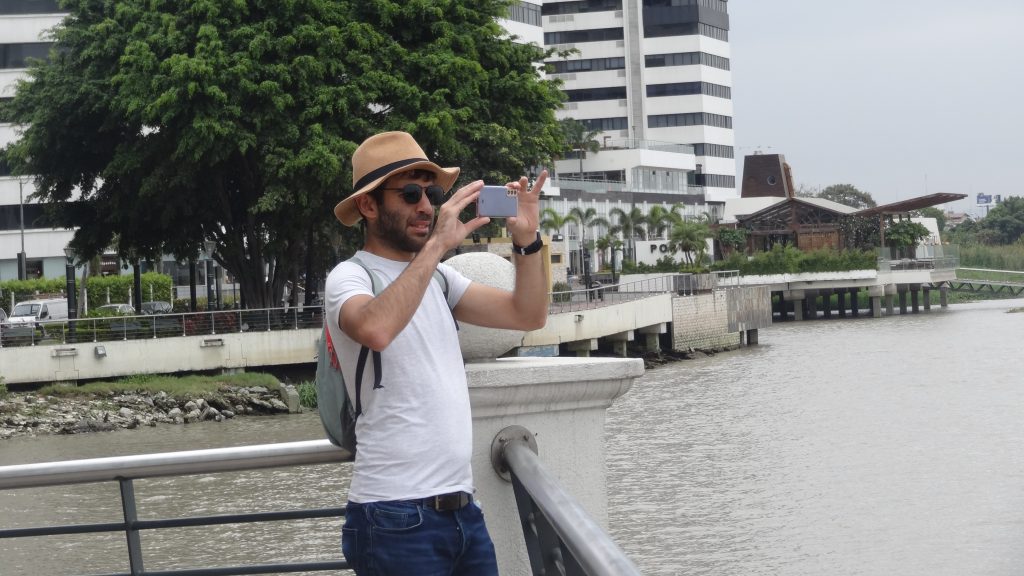
Bird Photography and Conservation in Guayaquil
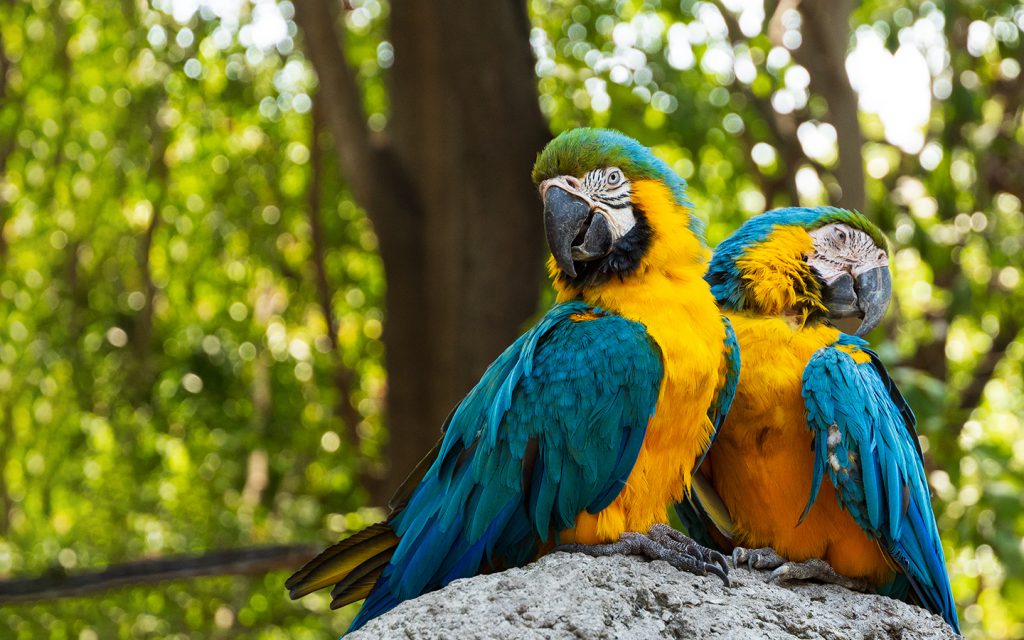
Bird photography has become an increasingly popular activity among travelers and nature lovers visiting Guayaquil and its surroundings. The diversity of species, natural landscapes, and richness of ecosystems make this region an ideal setting for capturing unique wildlife images. The nearby mangroves, wetlands, and forests offer multiple opportunities to photograph birds in different natural environments. From colorful hummingbirds to large aquatic birds, the variety of species allows photographers to capture images full of color, movement, and natural behavior.
One of the main attractions of bird photography is the possibility of observing behaviors that are difficult to appreciate in other contexts. Feeding, group flights, interactions between species, and resting moments can become impressive scenes for amateur and professional photographers alike.The early morning hours are usually ideal for photography due to the soft natural lighting and increased bird activity. In addition, cooler temperatures make it more comfortable to explore trails and protected areas.
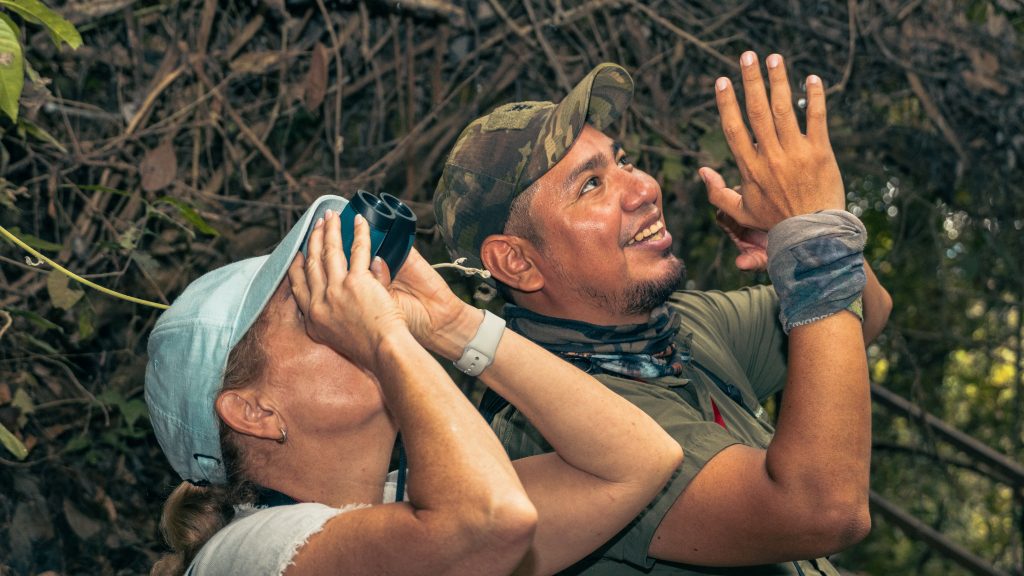
Many visitors choose guided tours to improve their observation and photography opportunities.
Local guides know the best birdwatching spots and help identify species while sharing information about the region’s ecosystems and biodiversity. Beyond the recreational experience, nature photography also contributes to environmental education and conservation. Images captured by photographers and tourists help raise awareness about the importance of protecting natural habitats and vulnerable species.
Protected areas near Guayaquil play a fundamental role in biodiversity conservation. Mangrove reserves, protected forests, and wetlands serve as refuges for resident and migratory birds that depend on these ecosystems for survival.
Various conservation projects promoted by local communities, environmental organizations, and tourism operators seek to preserve these natural spaces through educational programs and sustainable practices.
Responsible ecotourism
Responsible ecotourism has become an important tool for financially supporting these initiatives. Birdwatching tourism generates benefits for local communities by promoting employment for guides, transportation, lodging, and tourism services related to nature. This creates incentives to protect ecosystems and encourage sustainable activities instead of practices harmful to the environment.
To enjoy bird photography responsibly, it is important to respect the rules of nature reserves, avoid disturbing animal behavior, and maintain an appropriate distance from nests and sensitive areas. Conservation depends on the balance between tourism and environmental protection.
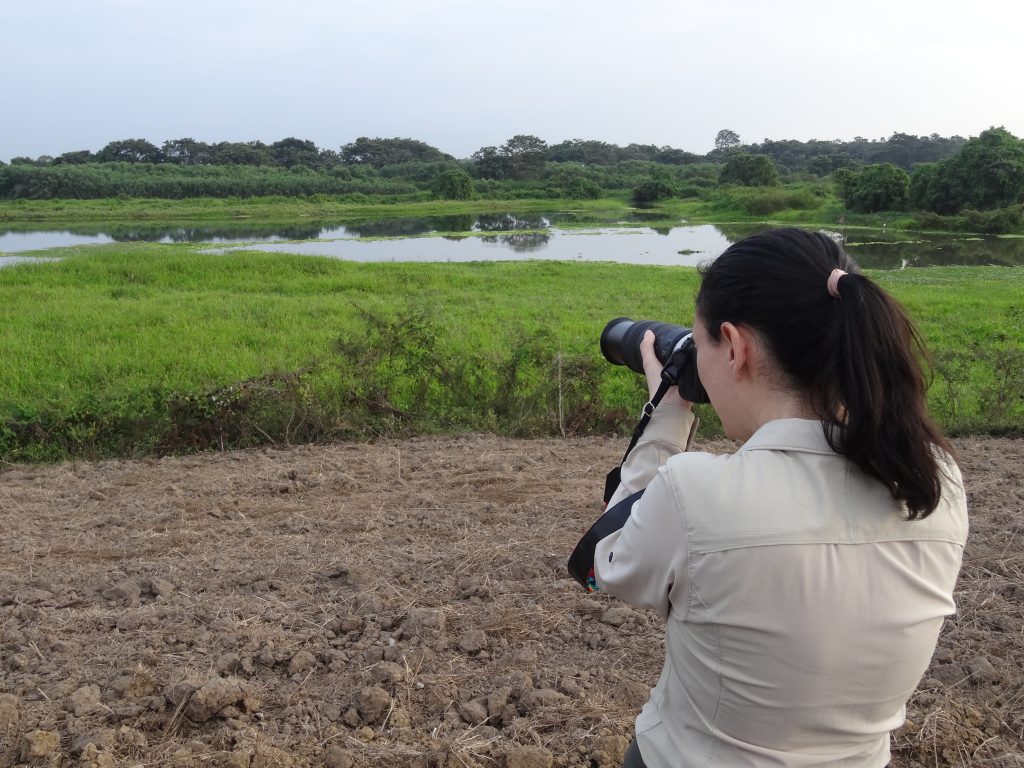
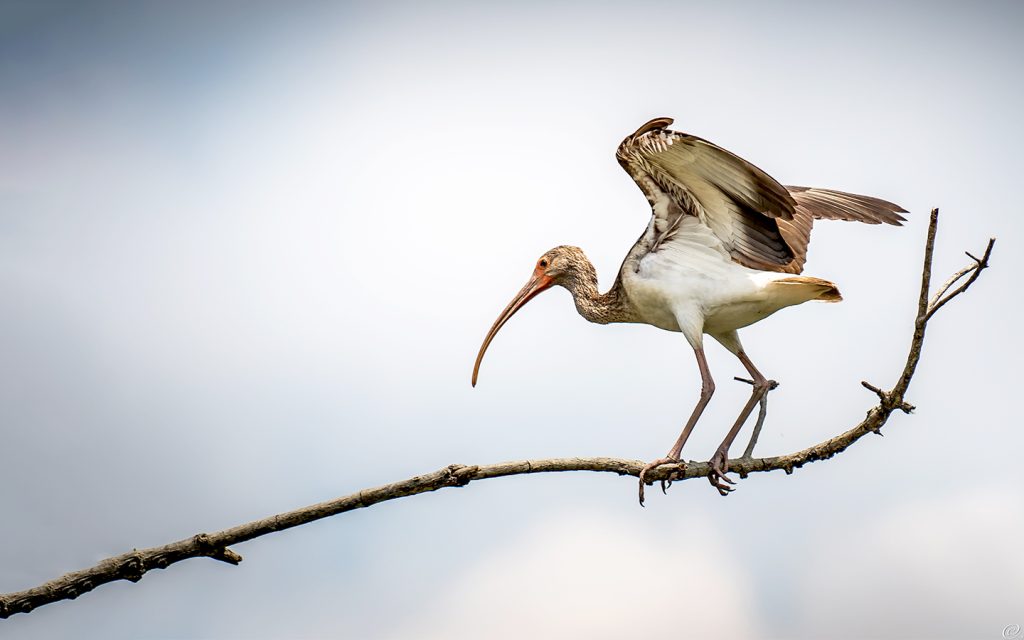
In conclusion, Guayaquil offers excellent opportunities for bird photography and ecotourism thanks to its biodiversity and natural landscapes. At the same time, these activities contribute to environmental conservation and the sustainable development of local communities, strengthening the protection of Ecuador’s coastal ecosystems.