
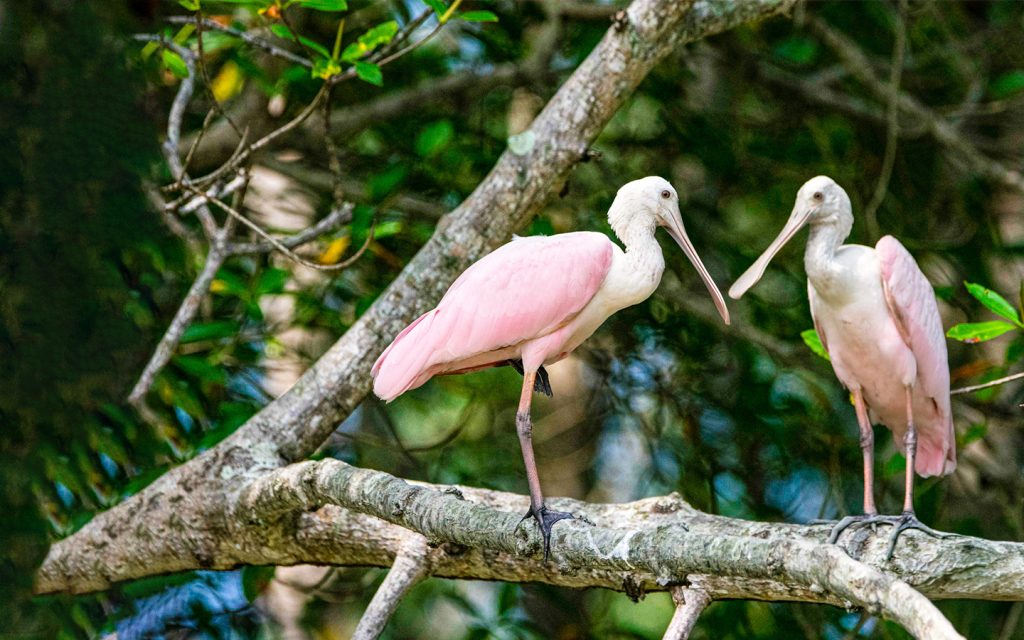
The Importance of Guayaquil for Birdwatching
Guayaquil and its surrounding areas represent one of the most interesting destinations for birdwatching on the coast of Ecuador. Thanks to its privileged geographical location and the diversity of ecosystems found in the region, this area is home to hundreds of resident and migratory bird species throughout the year. For nature lovers, photographers, and birdwatchers, Guayaquil offers a unique experience that combines biodiversity, natural landscapes, and opportunities for ecological exploration.
The coastal region near Guayaquil includes mangroves, wetlands, tropical dry forests, estuaries, and river systems that create ideal habitats for numerous species. These ecosystems support aquatic birds, birds of prey, tropical birds, and migratory species arriving from North America and other parts of South America. Due to this natural richness, Ecuador is considered one of the countries with the greatest biodiversity per square kilometer in the world.
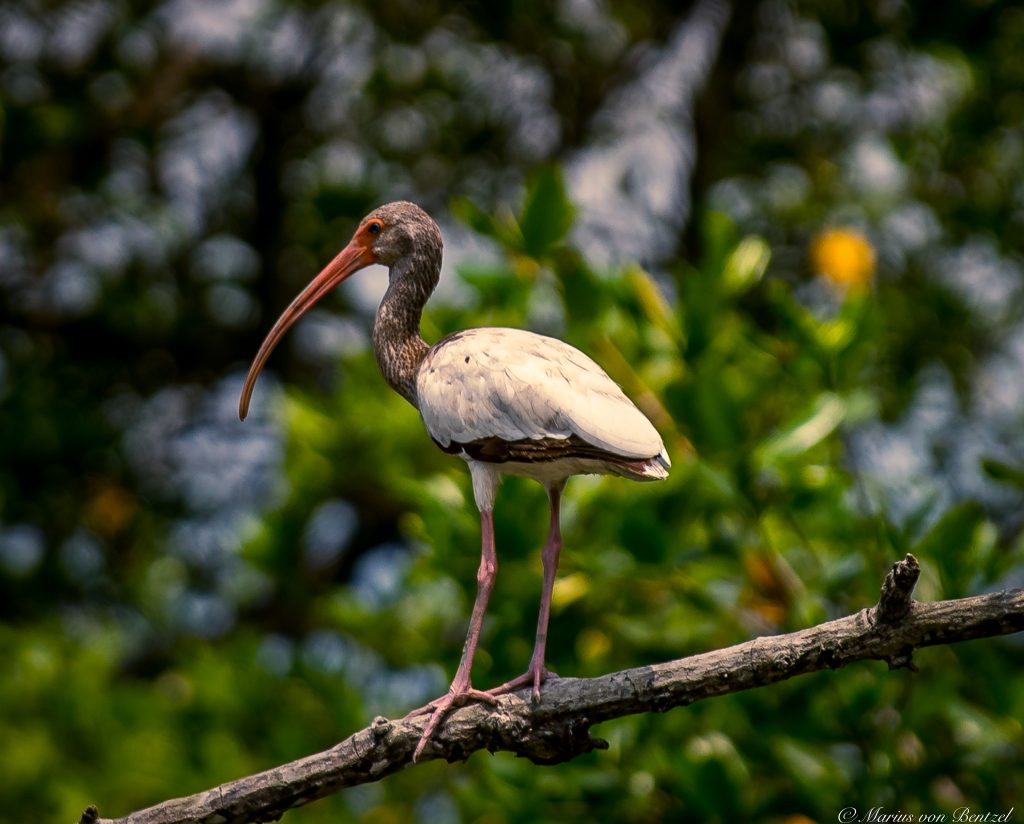
Main attractions for birdwatchers
The possibility of finding species that are difficult to see elsewhere. Among the most common birds around Guayaquil are herons, ibises, pelicans, frigatebirds, kingfishers, and different types of parrots and hummingbirds. In addition, some nearby nature reserves allow visitors to observe endemic species of Ecuador’s tropical dry forest.
Mangroves play a fundamental role in the conservation of coastal birds. These ecosystems serve as shelter, feeding grounds, and breeding areas for many species. Boat tours through mangrove channels offer excellent opportunities to observe birds in their natural environment while enjoying peaceful landscapes and a direct connection with nature.
Another important aspect is bird migration. Ecuador is part of major international migratory routes, meaning that many species use the Ecuadorian coast as a temporary resting point during their long journeys. This makes Guayaquil a dynamic destination where the species observed may vary depending on the season.
Birdwatching also promotes ecological and sustainable tourism in the region.
Many national and international visitors arrive attracted by the opportunity to explore nature reserves and learn about biodiversity. This activity generates economic benefits for local communities, tour guides, and environmental conservation projects. In addition to its scientific and tourism value, birdwatching offers personal benefits related to wellness and relaxation. Walking along natural trails, listening to wildlife sounds, and disconnecting from urban life allows visitors to enjoy peaceful and educational experiences at the same time.
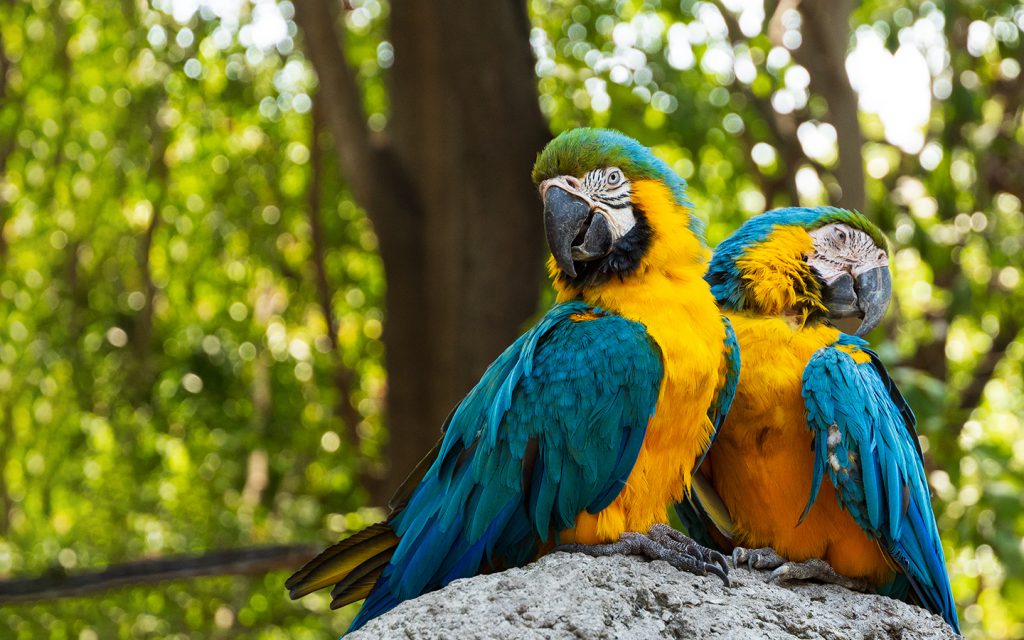
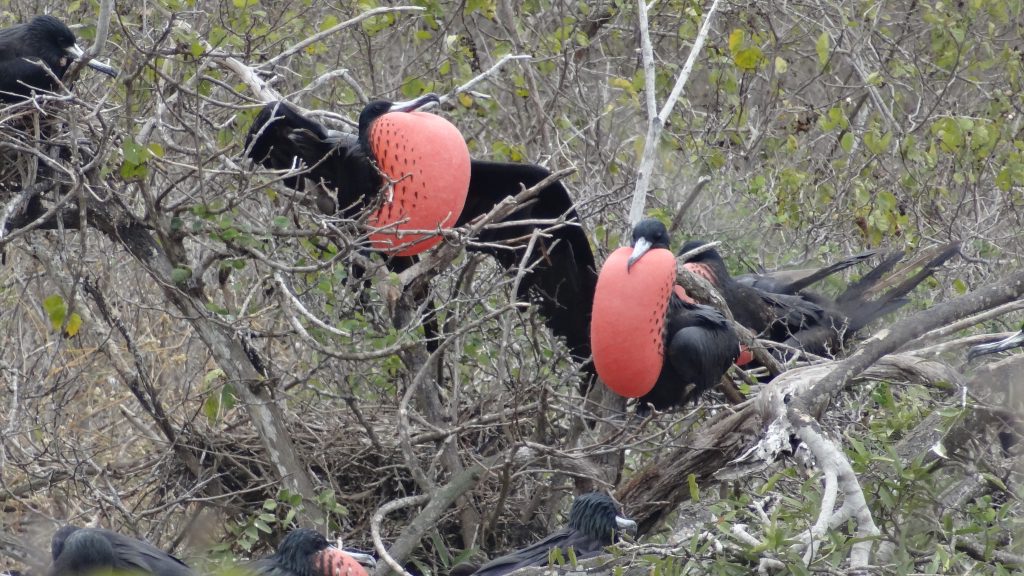
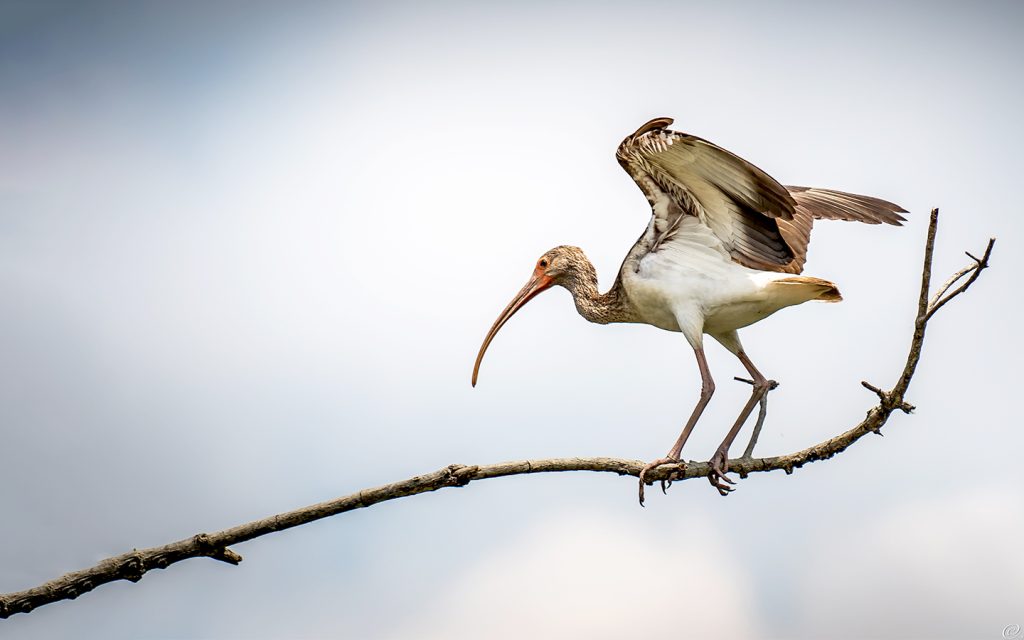
The nature reserves near Guayaquil continue developing conservation and environmental education programs to protect coastal ecosystems. Thanks to these efforts, many areas maintain suitable conditions for the survival of vulnerable and migratory species.
In conclusion, Guayaquil is a key destination for birdwatching due to its biodiversity, variety of ecosystems, and strategic location along migratory routes. Both beginners and experts can enjoy unforgettable experiences while discovering the natural richness of Ecuador’s coast.